Featured

Finding New Public Financial Relief in 2026
Table of Contents
While basic telephone contact was when the standard, debt collectors now use cellphones, social media, text messaging and e-mail. Here is a list of examples of how debt collectors can break FDCPA guidelines: Usage of threat, violence or other criminal means to harm an individual, credibility or propertyUse of profane or profane languageFalse representation that the financial obligation collector represents a state or federal governmentMisleading details on the amount or legal status of a debtFalse ramification that debt collector is an attorney or law enforcement officerImplication that nonpayment of a financial obligation will result in arrest or imprisonmentCausing a telephone to call repeatedly with intent to annoy, abuse or harassPublishing lists of people who refuse to pay their debtsCalling you without telling you who they areThreats to do things that can not legally be doneThreats to do things that the financial obligation collector has no objective of doingTalking to others about your debt (besides a partner)Can not gather interest on a financial obligation unless that is in the contractThreats to take, garnish, connect, or sell your home or earnings, unless the collection agency or financial institution intends to do so and it is a legal actionUsing pre-recorded, automated or auto-dialed calls because of the Telephone Consumer Defense Act (TCPA)If any of these apply to your case, notify the collection agency with a licensed letter that you feel you are being harassed.
Debt collector are notorious for breaking the rules versus consistent and aggressive phone calls. It is the one area that triggers the many controversy in their service. Be sure to keep a record of all interaction between yourself and financial obligation collectors and to interact just through author correspondence where possible.
Additional calls are allowed in between 8 a.m. and 9 p.m., but with really extreme constraints suggested to secure privacy. The debt collector should identify itself whenever it calls. It may not call the consumer at work. It might only call the consumer's friend or family to get accurate information about the customer's address, phone number and place of work.
The very first relocation is to ask for a recognition notification from the debt collection agency and then await the notice to show up. Agencies are required by law to send you a validation notification within five days. The notification must inform you just how much money you owe, who the initial lender is and what to do if you do not believe you owe the cash.
Official Government Debt Relief Options for 2026
An attorney might compose such a notice for you. The customer can work with an attorney and refer all telephone call to the attorneys. When the debt collector gets the certified Cease-and-Desist letter, it can't contact you except for 2 factors: First, to let you understand it got the letter and will not be contacting you again and second, to let you know it intends to take a specific action versus you, such as submitting a claim.
It simply means that the debt collector will have to take another route to make money. Debt collectors can call you at work, but there are particular limitations on the info they can acquire and an easy way for consumers to stop the calls. If your company does not enable you to get individual calls at work, tell the debt collector that and he must stop calling you there.
If they do, they have violated your rights and you might call a lawyer to file a problem. They might request for your contact information, implying your phone number and address and verification of work. They can't discuss the financial obligation with your employers or colleagues. If the debt collector has actually won a court judgment against you that consists of approval to garnish your earnings, they may contact your employer.
If the debt collector calls repeatedly at work to harass, frustrate or abuse you or your colleagues, record the time and date and call an attorney to discuss your rights. It's possible the debt collector called your workplace by mistake since they were given the wrong contact info. If this takes place, notify them that you are not allowed to take calls at work and follow up with a licensed letter to reinforce the point.
If they continue to call you at work, jot down the time and date of the calls and present them to an attorney, who could bring a match versus the collection company and recuperate damages for harassment. It is tough to specify exactly the number of calls from a financial obligation collector is considered harassment, but keeping a record of calls helps to make your case.
Tracking Your Credit Rating Recovery in Your State
Finding New Public Debt Relief in 2026
Working with an attorney or sending out a qualified letter to the collection company ought to stop bugging phone calls, but there is plenty of evidence that it does not constantly work. One factor is that collection agencies can resume contacting you if you do not respond to the validation notification they send out after the very first call.
If a debt collector sends out verification of the financial obligation (e.g. a copy of the bill), it may resume calling you. Already, it's time to inform the collection firm that you have a lawyer or send a cease-and-desist letter, but even then, the phone may keep ringing. Your next action could be to file a problem about the debt collector's infractions with the Federal Trade Commission (FTC), the Consumer Financial Security Bureau (CFPB) and your state attorney general of the United States's office.
You may be asked if you have paid any cash and how much, in addition to steps you've taken and what a reasonable resolution would be. If, after filing a grievance, you might select to sue the financial obligation collector. If you suffered damages such as lost earnings, the objective of your lawsuit must be to gather damages.
How Credit Counseling Works in 2026
A collection firm also can sue you to recover the cash you owe. The law regulates the habits of debt collectors, it does not absolve you of paying your debts. Do not disregard a lawsuit summons, or you will lose your chance to present your side in court.
It would help if you tape-recorded the call, though laws in most states state you should recommend a caller before taping them. It likewise is recommended to conserve any voicemail messages you receive from debt collection agency along with every piece of written correspondence. Let the collection agency know you plan to utilize the recordings in legal proceedings versus them.
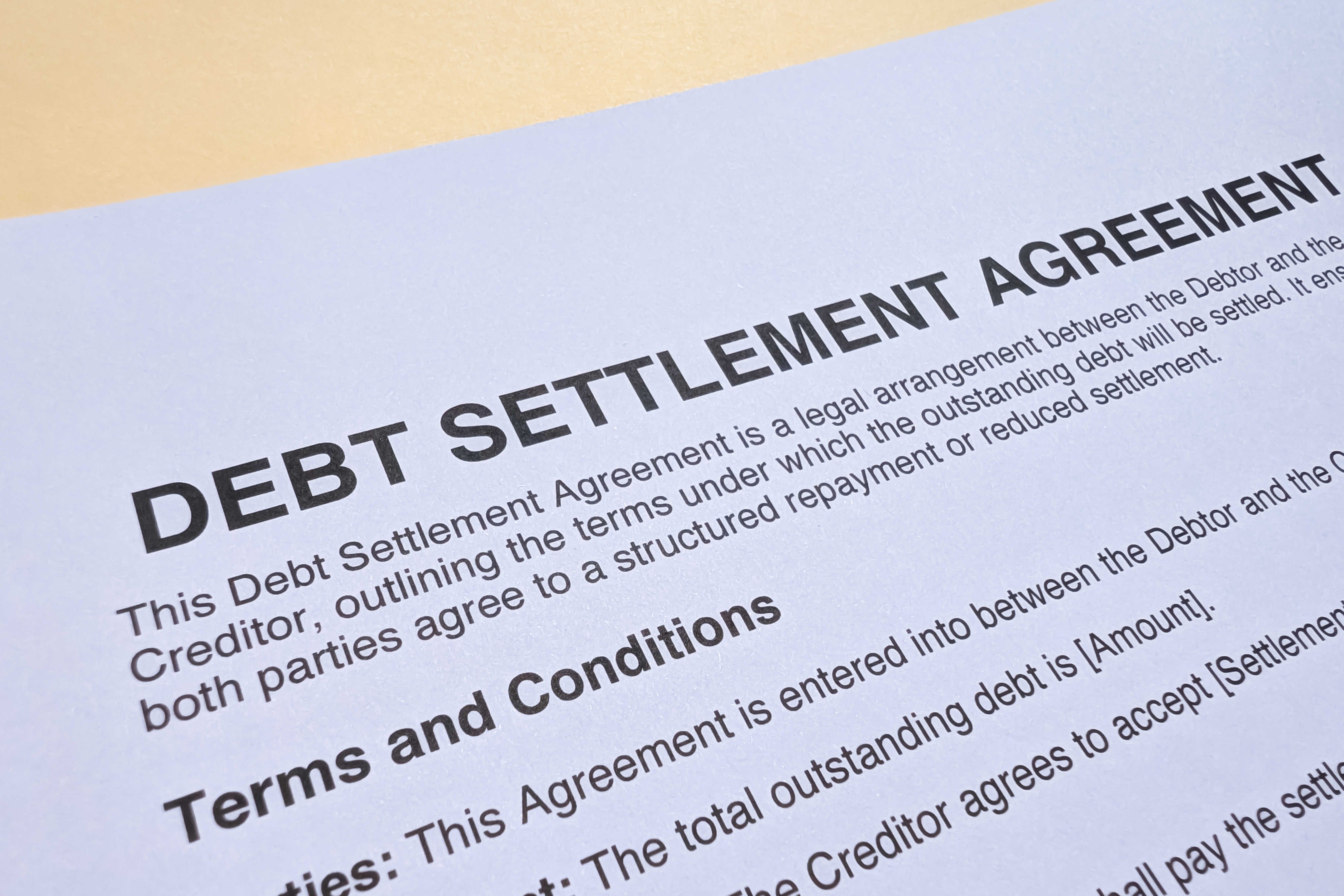
Sometimes, they may cancel the debt to avoid a court hearing. They also may provide to reduce the quantity they will accept in order to settle. If so, make sure the deal is in composing and defines the exact total up to be paid. Likewise, request that the settlement deal include a promise to eliminate the bill from your credit rating so that it no longer has a negative effect on your credit rating. Do not disregard financial obligation collectors, even if you believe the financial obligation is not yours.
Tracking Your Credit Rating Recovery in Your StateThe very best option might be to go back from the adversarial relationship with the debt collection company can discover common ground with original creditor. Solutions could include: Organizing debt into a more realistic payment program advantages the company along with the customer. These (often non-profit) companies train counselors to help discover alternative ways of fixing debt.

Latest Posts

Choosing the Right Financial Relief Pathway

Deciding Between Bankruptcy and Credit Settlement Options

Applying for Federal Financial Assistance in 2026